

You've signed the contract and agreed on a price. Then the appraisal comes in below the offer price, and suddenly the deal is on shaky ground.
Low home appraisals are common in hot markets like Dallas and can derail a sale if not handled properly. Whether you're the buyer or seller, knowing your legal rights and contract options is key to keeping the deal alive or walking away safely.
Why Do Low Appraisals Happen in Texas?
- Outdated comps that don't reflect rising values
- Overbidding during multiple-offer situations
- Unusual features that don't translate into appraised value
- Appraisal timing during market fluctuation
In Dallas and the surrounding counties, where bidding wars and price swings are common, appraisal gaps are a frequent challenge.
What Happens When the Appraisal Falls Short?
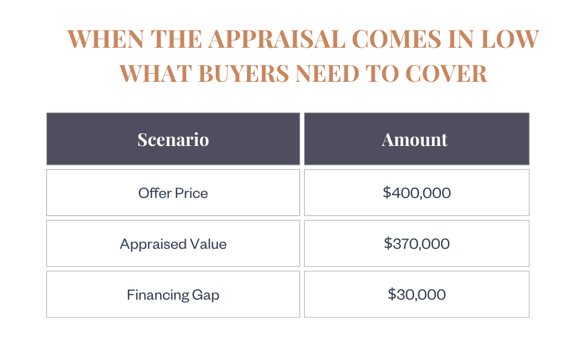
The lender will only finance the appraised value not the full offer price. This creates a financing gap that must be addressed by either party, or the deal may fall through.
Example:
Buyer Options After a Low Appraisal
If you're the buyer in a Texas transaction and the home appraises low, here's what you can do:
1. Renegotiate the Purchase Price
Request a price reduction based on the appraised value. Many sellers agree if they want to keep the deal alive.
2. Cover the Appraisal Gap
Bring additional funds to closing to make up the difference between the appraised value and the contract price.
3. Split the Difference with the Seller
A compromise where both parties absorb part of the gap is common in balanced markets.
4. Terminate the Contract (If Protected)
If your contract includes a financing or appraisal contingency, you may terminate the deal and recover your earnest money. In Texas, the TREC Third-Party Financing Addendum typically provides this protection, but review your contract to confirm.
Seller Options After a Low Appraisal
As the seller, a low appraisal puts you in a bind. Your options include:
1. Agree to Reduce the Price
Lower the sale price to match the appraised value to keep the sale moving forward.
2. Dispute the Appraisal
Challenge errors in the report by providing stronger comps or requesting a second appraisal through the lender (note: not always allowed).
3. Ask the Buyer to Cover the Difference
If you're in a seller's market, you may ask the buyer to bring additional cash to closing.
4. Walk Away and Relist
If no agreement can be reached, and you're not under specific legal obligations, you may choose to cancel the contract and list the property again (though this could delay your timeline).
What Does the Texas Contract Say?
The TREC One to Four Family Residential Contract and the Third-Party Financing Addendum outline your legal protections. These documents determine:
- Whether the buyer can terminate due to a low appraisal
- Whether earnest money is refundable
- Any contingencies or deadlines tied to financing approval
Always review these terms or have a real estate attorney do so—before making decisions.
Realistic Steps to Avoid Appraisal Conflicts
Buyers Should:
- Include a financing or appraisal contingency
- Get pre-approved and understand your cash reserves
- Work with an agent who understands local comps
Sellers Should:
- Price the home based on recent, relevant sales
- Be prepared to justify your list price with documentation
- Ask about the buyer's financial flexibility before accepting an offer
Example Scenario: Closing the Gap in Dallas
A buyer offers $500,000 for a home in East Dallas. The appraisal comes in at $475,000. The buyer doesn't have $25,000 in cash to cover the difference, and the seller won't lower the price.
The parties agree to meet in the middle:
- Seller drops price by $12,500
- Buyer adds $12,500 in cash
- The deal closes on time
When handled strategically, appraisal disputes don't have to kill a deal.
Final Thought
Low appraisals are frustrating, but they're not always the end of the deal. With a clear understanding of your Texas contract and a strategy to respond, you can protect your money, your timeline, and your future.
Have questions about how to handle a low appraisal or real estate contract in Texas? Explore our resources or reach out to learn how The Keller Firm supports buyers and sellers in navigating contract challenges and closing disputes.
Disclaimer: This website is for informational purposes only and does not constitute legal advice. Do not act or refrain from acting based on the content of this site. Use of this site or communication with The Keller Firm through this site does not establish an attorney-client relationship.

Comments
There are no comments for this post. Be the first and Add your Comment below.
Leave a Comment