
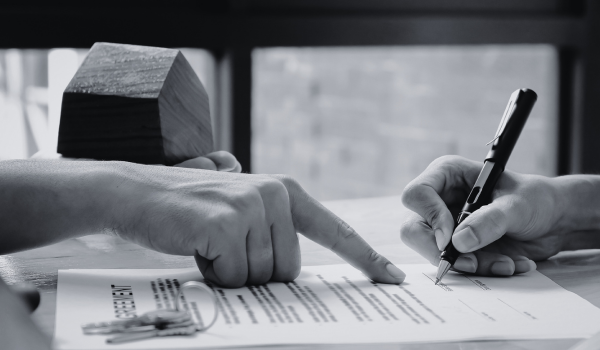
Evidence Is the Foundation of Your Case
When a real estate disagreement surfaces, the first question most Texas homeowners ask is, “Do I even have a case?” The answer almost always comes down to evidence. Courts don't decide property rights on assumptions or friendly promises; they rely on documents, records, and testimony that prevail under scrutiny.
Whether you're dealing with a contested deed, a boundary fight, or a broken contract, collecting the right proof early often determines whether you have a strong case or an expensive setback.
Why Evidence Matters
Real estate disputes are built on paperwork. Judges and juries want to see solid proof of ownership, agreements, and property boundaries.
Good evidence not only strengthens your position, but it can also encourage the other side to settle, saving time and money.
Think of evidence as the foundation of a house: without it, even the most convincing story can crumble in court.
Key Documents for Title and Ownership Disputes
If the heart of the conflict is who owns the property, start with these essentials:
-
Deeds: warranty deeds, quitclaim deeds, or deeds of trust. In Dallas County, you can search through the Dallas County Clerk's official search portal.
-
Title insurance policies and related closing documents: these confirm coverage and identify exceptions
-
Probate records or wills, if ownership passed through inheritance.
Example: In a quiet title action, producing the original deed can establish your chain of ownership and eliminate competing claims.
Contracts, Leases, and Agreements
Many real estate disputes begin with a deal that didn't go as planned.
The documents that record those deals are often the strongest proof of what each side promised and what happened.
Key records to gather include:
-
Purchase and sale agreements – Show price, deadlines, and all terms of a property transaction.
-
Commercial or residential leases – Include the original lease and any amendments or addendums; they reveal each party's rights and responsibilities.
-
Written changes or side agreements – Emails, letters, or text messages that modified the original terms can carry weight, especially when both parties acknowledged them.
Why it matters: Courts look for a clear paper trail. Even informal communications like a text agreeing to extend a lease can help confirm what was agreed to and when. Save every version, even drafts, so there's no doubt about the history of the agreement.
Surveys, Maps, and Property Records
Boundary disputes and easement conflicts hinge on accurate property descriptions. Evidence here includes:
-
Property surveys are conducted by licensed surveyors.
-
Plat maps and county appraisal records. The Dallas County Clerk's Recording Division provides access to certified documents, fraud alert tools, and recording services.
-
Easement documents or restrictions filed with the county.
Why it matters: If your neighbor builds a fence across your property line, a professional survey is often the clearest evidence of encroachment.
Communications and Financial Records
Sometimes what people say or fail to say becomes critical. Keep all:
-
Emails, letters, or text messages between you and the other party.
-
Payment records for mortgages, rent, or HOA dues.
-
HOA violation notices or correspondence with boards.
-
Photos or videos showing property conditions at specific times.
These records can prove patterns of behavior, agreements made, or obligations ignored.
 Expert Reports and Witness Testimony
Documents often need professional backup. Helpful evidence can include
-
Surveyors who can testify to property lines.
-
Appraisers who can provide fair market valuations.
-
Contractors who can confirm property damage or construction defects.
Expert opinions turn raw documents into persuasive evidence for a judge or jury.
Organizing Your Evidence for Court
One of the best steps you can take is to gather all relevant documents before you meet with a lawyer. While your attorney will sort through what's relevant, showing up prepared saves time, reduces costs, and gives your case a head start.
Practical tips:
-
Keep a dedicated file folder (physical or digital) for deeds, contracts, and correspondence.
-
Save dated photos of property conditions.
-
Store copies of communications in one place so they're easy to find.
Conclusion
Strong evidence builds strong cases. Without it, even valid claims can fall short in a Texas courtroom.
By gathering deeds, contracts, surveys, communications, and expert reports early, you give yourself the best chance to protect your property rights.
At The Keller Firm, we help clients evaluate, organize, and present evidence that stands up in court. If you're dealing with a real estate dispute in Texas, schedule a Discovery Session with our team. We'll review your documents, explain your options, and help you move forward with confidence.
Disclaimer: This website is for informational purposes only and does not provide legal advice. Please do not act or refrain from acting based on anything you read on this site. Using this site or communicating with The Keller Firm through this site does not form an attorney/client relationship.

Comments
There are no comments for this post. Be the first and Add your Comment below.
Leave a Comment