
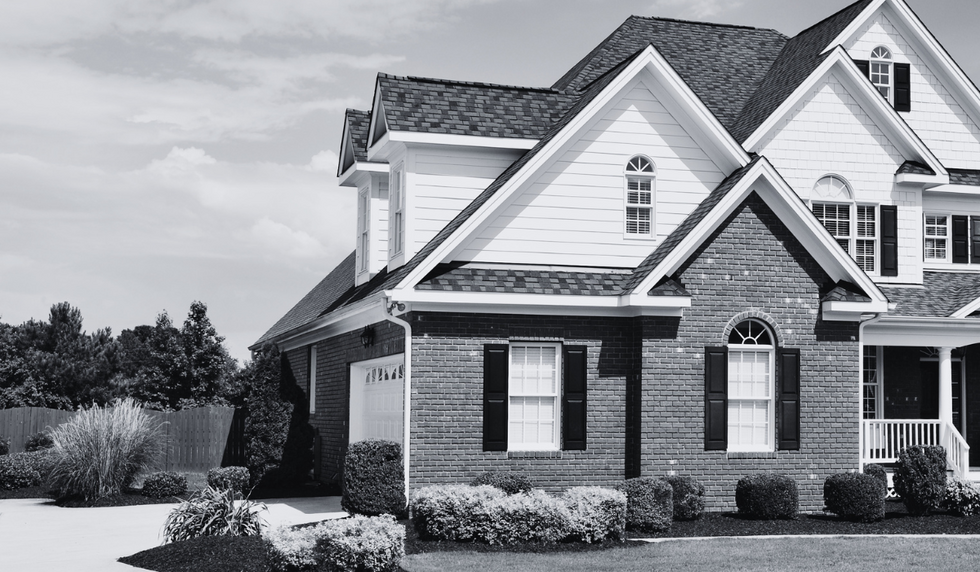
Yes, an HOA may be able to foreclose on a home in Texas for certain unpaid assessments. However, foreclosure depends on the HOA's recorded property documents and Texas law requirements. For many residential HOAs governed by Chapter 209 of the Texas Property Code, specific notices and other steps must occur before an unpaid assessment can progress from a delinquent balance to a lien and potentially foreclosure.
This issue is receiving more attention as HOA collection activity increases. According to Cotality, Texas recorded 36,194 HOA liens in 2025, a 46% increase from 2022. Texas was also among five states that collectively accounted for 85.2% of HOA foreclosure filings nationwide in 2025. These figures represent liens and foreclosure filings, not completed foreclosure sales. This illustrates how quickly an unpaid HOA balance can become a property issue.
Can an HOA Put a Lien on Your Home for Unpaid Dues in Texas?
A Texas HOA may be able to place a lien on a home when required assessments go unpaid, but that right is not automatic in every situation. Review the HOA's declaration and other recorded property documents to determine whether the HOA has the right to place a lien and what unpaid charges the lien may cover.
For HOAs subject to Chapter 209, Texas law also establishes steps the HOA generally must take before filing an assessment lien. Under Texas Property Code § 209.0094, those steps include:
-
Sending an initial delinquency notice
-
Waiting at least 30 days before sending a second notice by certified mail
-
Giving the homeowner at least 90 days after the second notice before filing the assessment lien
If an HOA lien has already been filed against your property, reviewing what you owe, which notices you received, and when you received them may help determine whether the required process was followed.
Can an HOA Foreclose for Fines or Attorney's Fees in Texas?
An HOA generally cannot foreclose under Chapter 209 when the debt consists solely of certain fines, attorney's fees, or related collection costs. Texas Property Code § 209.0092 limits foreclosure based solely on certain types of debt.
The situation can become more complicated when the account includes unpaid assessments along with other charges. A homeowner's balance may include:
-
Regular or special assessments
-
Interest
-
Late fees
-
Fines
-
Collection costs
-
Attorney's fees
If the amount you originally owed looks very different from the balance now being collected, reviewing an itemized account history alongside the HOA's declaration and collection policy can help show how the balance grew and what charges have been added.
Does a Texas HOA Have to Offer a Payment Plan Before Foreclosure?
Certain Texas HOAs must adopt guidelines that allow qualifying homeowners to pay delinquent assessments over time. Under Texas Property Code § 209.0062, an HOA composed of more than 14 lots must adopt reasonable guidelines for alternative payment schedules for certain delinquent assessments.
That does not mean every homeowner will qualify for a payment plan in every situation. Eligibility can depend on the circumstances, including whether the homeowner recently defaulted on another payment plan.
If you receive a delinquency notice, it's worth reviewing the payment options described in the notice and the HOA's collection policy rather than assuming foreclosure is the immediate next step.
Does an HOA Need a Court Order to Foreclose in Texas?
For many residential HOA assessment liens governed by Chapter 209, the HOA generally must obtain a court order before moving forward with foreclosure. Texas law directs HOAs to an expedited court procedure under Texas Rule of Civil Procedure 736, subject to statutory requirements and limited exceptions.
A Rule 736 proceeding is a court process an HOA may use to seek permission to proceed with certain foreclosures. It should not be confused with a completed foreclosure sale or a full trial deciding every possible dispute between the homeowner and HOA.
If you receive court papers related to an HOA foreclosure, pay close attention to the deadlines listed in those documents. At that stage, the dispute has moved beyond ordinary collection letters and may warrant legal review.
Can an HOA Lien Prevent You From Selling or Refinancing Your Home?
An HOA lien can complicate a sale or refinance because a recorded lien may appear when the property's title is reviewed. Depending on the transaction and the nature of the dispute, the lien may need to be paid, released, disputed, escrowed, or otherwise addressed before closing can move forward.
This issue may surface when a homeowner is:
-
Preparing to list the property
-
Already under contract with a buyer
-
Trying to refinance
-
Selling inherited property
-
Working through another title or ownership dispute
A recorded HOA lien does not automatically establish that the amount claimed is correct, nor does the existence of the lien alone determine its priority compared with a mortgage or another lien. Those questions may depend on the HOA declaration, deed of trust, recording history, applicable statutes, and other property records.
What Should You Review If You Believe an HOA Lien Is Wrong?
If you believe an HOA lien is incorrect, start by reviewing the documents that show how the balance developed and what authority the HOA relied on to file the lien. Depending on the dispute, useful records may include:
-
The HOA declaration and applicable amendments
-
Your HOA account ledger
-
Assessment and delinquency notices
-
Collection letters
-
Records of payments you made
-
Payment-plan communications
-
The recorded lien
-
Any foreclosure notices or court documents
The timeline matters too. Compare when the notices were sent, how they were delivered, and when the lien was filed. For HOAs subject to Chapter 209, those dates may help determine whether the statutory notice process was followed.
What Should You Do If an HOA Lien or Foreclosure Is Affecting Your Property?
Once an HOA dispute begins affecting your title, a pending sale, or your ability to keep the property, understanding exactly where the account stands becomes increasingly important. The appropriate next step depends on the type of debt, the HOA's recorded documents, the notices that were sent, and whether the HOA has already filed a lien or started a court proceeding.
If you believe the balance is incorrect, the HOA failed to follow required procedures, or a lien is preventing you from completing a property transaction, an attorney can review the documents and evaluate the issues based on the circumstances.
Facing an HOA Lien or Foreclosure Dispute in Texas?
The Keller Firm represents clients in real estate disputes throughout Texas. Contact The Keller Firm to discuss your situation and the legal options that may be available.
Disclaimer: This website is for informational purposes only and does not constitute legal advice. Do not act or refrain from acting based on anything you read on this site. Use of this site or communication with The Keller Firm does not create an attorney-client relationship.
Sources
-
Texas Property Code Chapter 209, including §§ 209.0062, 209.0092, and 209.0094, covering payment plans, foreclosure restrictions, and pre-lien notice requirements. Texas Legislature
-
Texas State Law Library, Property Owners' Associations: Foreclosure, addressing the Rule 736 foreclosure process for qualifying HOA assessment liens. Texas State Law Library
-
Texas State Law Library, Property Owners' Associations: Assessments and Foreclosure, addressing assessment liens, governing documents, and the statutory notice process. Texas State Law Library
-
Cotality, “HOA Liens Rise as Homeownership Costs Come Due,” reporting 2025 HOA lien and foreclosure-filing trends, including Texas data. Cotality
-
Cotality, 2026 HOA Lien & Foreclosure Report, providing additional methodology and national context for HOA lien and foreclosure-filing trends. Cotality

Comments
There are no comments for this post. Be the first and Add your Comment below.
Leave a Comment