
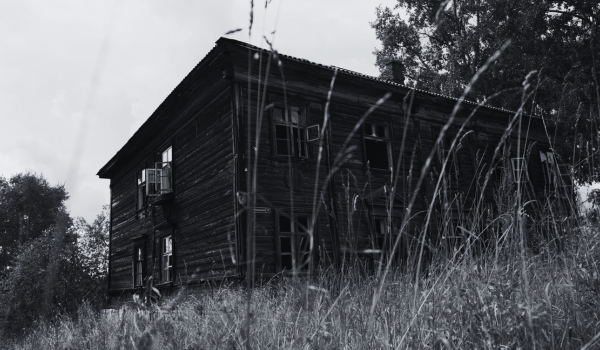
Trespass: The First Warning Sign
In Texas, trespassing occurs when someone enters or uses your property without permission. Damage isn't required; the use itself is a violation.
It often starts small:
-
A neighbor builds a fence a few feet onto your land.
-
A contractor parks vehicles or stores equipment without asking.
-
Hunters or kids cut across a vacant lot.
On the surface, these may seem like annoyances. But if ignored, trespassing can open the door to something much more serious: adverse possession.
Adverse Possession: When Creeping Turns into a Claim
Adverse possession, often nicknamed “squatter's rights,” is when someone openly uses land as their own long enough to try to claim legal ownership. Texas law sets strict timelines (Texas Property Code, Chapter 16):
-
3 years: If the person has a deed or other document that looks valid (“color of title”), they can claim ownership after three years of continuous, open use.
-
5 years: If they've been openly using the land, paying property taxes, and holding a recorded deed, even if that deed is flawed, they may qualify after five years.
-
10 years: Someone who simply occupies the property, without any deed, can try to claim it after ten years of uninterrupted, visible possession.
-
25 years: In rare cases with no other timeline, a continuous 25-year occupation can be enough.
What starts as an encroaching fence or a parked trailer can, over time, build into a legal argument that someone else owns what's rightfully yours.
Why Vacant Land Is Especially Vulnerable
Vacant or lightly used land is the easiest target for creeping. Owners who live out of state, inherit property, or hold land as an investment may not visit often enough to notice small encroachments.
-
Rural properties are vulnerable to grazing, farming, or storage without permission.
-
Urban lots can be swallowed up when neighbors extend landscaping or mowing beyond the true boundary.
The less present you are, the easier it is for someone else to act as if the land belongs to them.
Red Flags to Watch For
Keep an eye out for early signs that someone may be testing your boundaries:
-
New fences, sheds, or driveways crossing into your lot.
-
Neighbors mowing or planting beyond their property line.
-
Vehicles, trailers, or equipment parked on your land.
-
Construction or improvements that were built without your approval.
Each of these actions, if ignored, can strengthen another person's claim of ownership under Texas law.
How to Stop the Creeping Before It Becomes a Legal Nightmare
The good news: you don't have to wait for a lawsuit to defend your property. Simple proactive steps can make all the difference:
-
Confirm boundaries with a survey.
-
Visit vacant or inherited property regularly.
-
Clearly mark property lines with signs or visible markers.
-
Document trespass early with photos and notes.
-
Seek legal advice quickly if someone refuses to leave.
A single fence built a few feet over the line or a neighbor who stores equipment on your lot might not seem urgent. But if you do nothing for years, that “neighborly use” can evolve into a legal argument that the land is now theirs.
Conclusion
It's one thing when visitors show up on Halloween. It's another when someone slowly creeps onto your land and tries to make it theirs. In Texas, trespassing and adverse possession are real risks, especially for absentee or vacant property owners.
At The Keller Firm, we help clients shut down creeping before it turns into a fight for ownership. If you suspect someone is using your land without permission, schedule a strategy session with our team. We'll help you protect both your rights and your property.
Disclaimer: This website is for informational purposes only and does not provide legal advice. Please do not act or refrain from acting based on anything you read on this site. Using this site or communicating with The Keller Firm through this site does not form an attorney/client relationship.

Comments
There are no comments for this post. Be the first and Add your Comment below.
Leave a Comment